Roof Inspection Wisconsin: A Homeowner’s Fall Checklist
9 Min Read
POSTED 15.10.2026
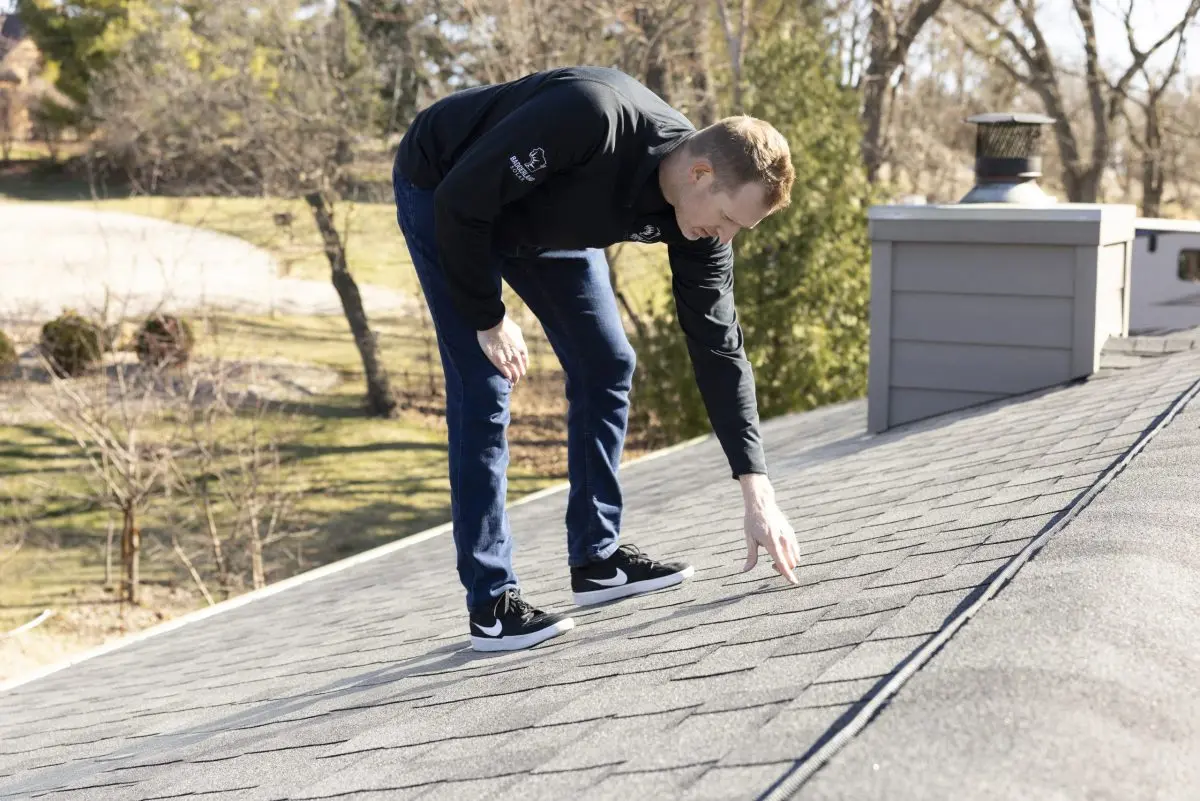
A roof inspection Wisconsin homeowners perform every fall is the difference between a roof that gets through winter and one that develops problems by February. Wisconsin’s climate is uniquely hard on roofing systems, with roughly 100 to 130 freeze-thaw cycles per year, heavy snow loads, and ice dam conditions affecting everything from south-central Wisconsin to southeast Wisconsin. Fall is the last chance to catch issues before ice, snow, and freezing temperatures hide them for months, when small problems turn into expensive repairs. If you’d rather have a professional handle the inspection, free roof inspections are available for storm-related assessments.
Here is what this guide covers:
- Why fall is the most important inspection window for Wisconsin roofs
- The 8 things every homeowner should check before winter
- Interior warning signs to look for from inside the attic
- When to call a professional versus handle it yourself
- Common questions Wisconsin homeowners ask about fall roof inspections
Why Fall Matters More Than Any Other Season
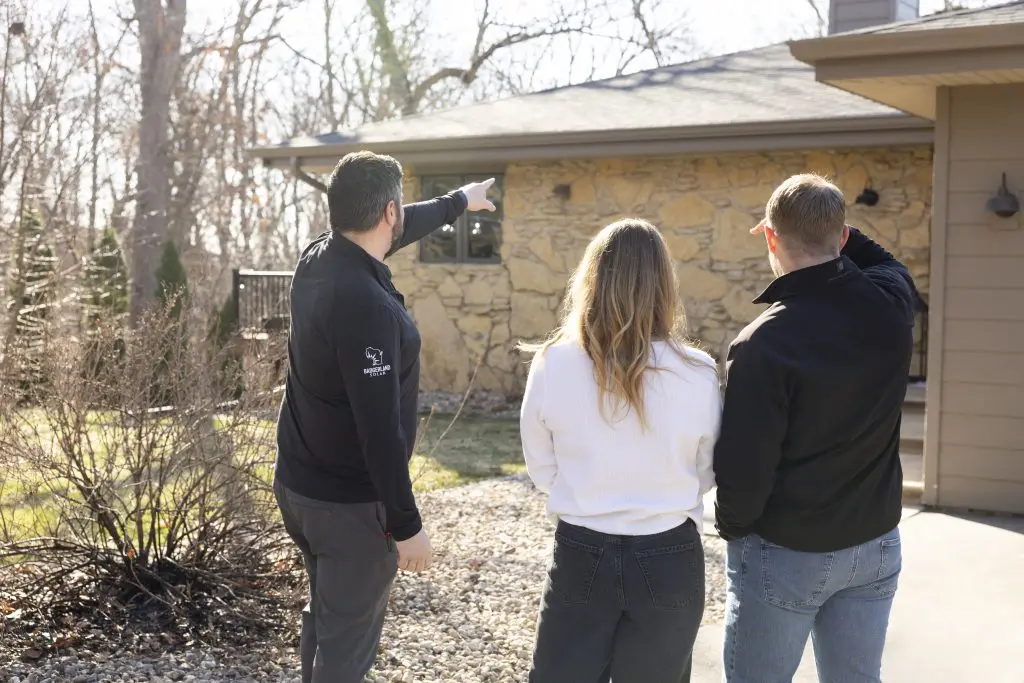
Fall is the pivot point in the Wisconsin roofing calendar, when weather conditions shift from storm season to winter preparation. Summer storms have finished stressing the shingles, ice dam season is a few weeks away, and there’s still time to schedule repairs before contractors get slammed with emergency winter calls. A leak that goes undetected in October becomes a much bigger problem, and much more costly repairs, when the roof is covered in three feet of snow and the temperature is below freezing.
According to Wisconsin Administrative Code SPS 322.39, residential roofing systems in Wisconsin must include balanced attic ventilation with both intake vents (typically soffit vents) and exhaust vents (ridge or gable vents), which work together to prevent the moisture and heat buildup that drives ice dam formation and shingle deterioration. Confirming ventilation performance in the fall is one of the most valuable inspection tasks, because ventilation failures show up as ice dams by February.
We’re proud to serve homeowners in Sauk City and Prairie du Sac, WI, and nearby communities with roof inspections, storm damage assessments, and full roof replacement services.
8 Things to Check in Your Fall Roof Inspection
Most of these checks can be done from the ground with binoculars or from inside your attic. There’s no need to get on the roof for a homeowner-level inspection, and doing so in fall, when leaves are on the roof and morning frost makes surfaces slippery, is genuinely dangerous.
1. Gutters and Downspouts
Fall gutter cleaning is the single most important task on this checklist. Gutters clogged with leaves back water up at the eaves, where it can work under the shingles at the drip edge and drive ice dam formation once temperatures drop.
- Clear everything: Remove all leaf and debris accumulation from gutters and downspouts before the first hard freeze.
- Check attachment: Look for gutter sections that have pulled away from the fascia or sagged since summer.
- Confirm downspout extensions: Downspouts should extend at least 4 to 6 feet from the foundation to prevent water pooling near the home.
- Look for granule accumulation: A significant amount of shingle granules in the gutters is a sign of aging shingles that may not survive another winter.
2. Shingle Condition From the Ground
A ground-level scan with binoculars catches most visible shingle issues. Focus on the sunniest slopes (south and west-facing) because roofing material on these slopes ages faster than shaded areas.
- Missing or lifted shingles: Any gaps or shingles visibly out of alignment need attention before winter.
- Curling or cupping: Shingles that have lifted at edges or bowed in the middle indicate age-related failure and reduced wind resistance.
- Cracked or broken shingles: Common after summer storm events and often invisible until a ground-level inspection catches them.
3. Flashing at Chimneys, Vents, and Skylights

Flashing is the most common source of leaks on roofs that are otherwise in reasonable condition. Fall is the last chance to address flashing issues before ice and snow hide them.
- Chimney flashing: Look for lifted, separated, or rusted flashing where the chimney meets the roof surface.
- Vent and pipe boots: Rubber pipe boots around plumbing vents crack and shrink with age. Fall is the most common time these failures become visible.
- Skylight flashing: Check the sealant and metal at all four sides of skylight installations.
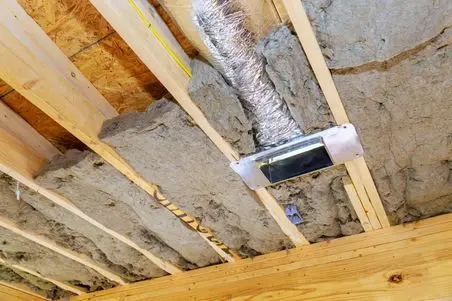
4. Attic Interior Inspection
An attic check tells you what a ground-level exterior scan cannot. Enter the attic on a clear day and look for signs of past or active moisture infiltration.
- Moisture staining on sheathing: Dark patches on the underside of the roof deck indicate water has been entering.
- Wet or compressed insulation: Insulation that has been exposed to moisture loses its R-value and can lead to mold growth.
- Daylight through the deck: Any visible daylight through the roof deck means there are gaps in the roofing system that need addressing before snow arrives.
5. Attic Ventilation Function
Ventilation is what prevents ice dams. Inadequate ventilation traps heat and moisture in the attic, which melts snow on the roof from below and creates the conditions for ice dam formation at the eaves.
- Confirm soffit vents are clear: Insulation baffles should be in place preventing insulation from blocking soffit airflow.
- Verify ridge vent is intact: The ridge vent along the peak should be unobstructed and free of debris.
- Attic temperature test: On a warm fall day, the attic should feel close to outdoor temperature, not significantly hotter.
6. Ice and Water Shield Assessment
Wisconsin building code requires ice and water shield at eaves and in valleys on most residential roofs. If your roof was installed before 2000, this protective membrane may not be present, which significantly increases ice dam damage risk.
- Know your roof’s age: If you don’t know when the ice and water shield was last updated, a qualified roofing contractor can confirm whether it’s present and intact.
- Check for interior staining below eaves: Water staining on ceilings near exterior walls in winter is a common sign of missing or failed ice and water shield.
7. Tree Branch Clearance
Overhanging branches under snow load can contact and damage the roof surface. Fall is the ideal time to trim branches before the first significant snow event.
- Trim any branch within 6 feet of the roof: These pose the highest risk under snow and ice load.
- Remove dead branches entirely: Dead branches are more likely to fall in winter wind events.
- Address branches over the roof: Even branches that don’t currently contact the roof can under snow load.
8. Roof-Adjacent Components
Several components adjacent to the roof affect its performance and are easier to address in fall than mid-winter.
- Fascia and soffit condition: Check for rot, peeling paint, or gaps that could allow pest entry or moisture infiltration.
- Caulk at transitions: Refresh any caulk that has cracked or pulled away at roof-to-wall transitions.
- Chimney cap and crown: A damaged chimney cap allows water and debris into the chimney flue.
What Requires a Professional
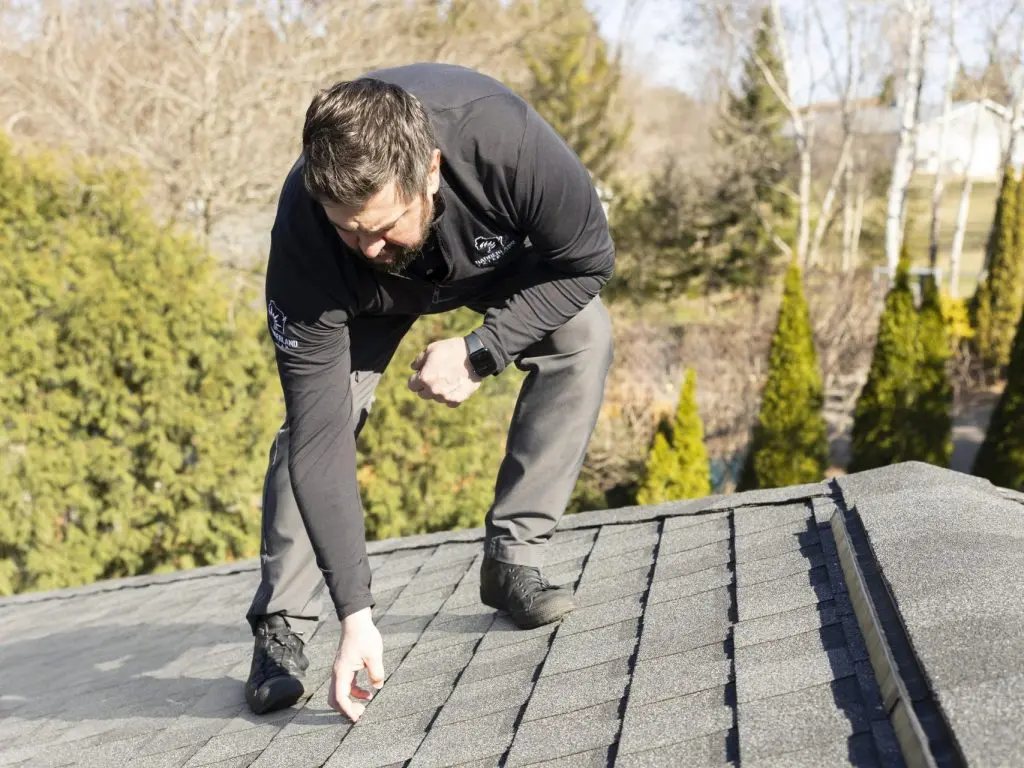
Most homeowners can complete the above checks safely from the ground and attic. Some roof damage conditions require professional attention:
- If you suspect storm damage or hail damage after severe weather conditions, particularly if you may need to file an insurance claim
- Visible daylight through the roof deck
- Active moisture in the attic
- Sagging roof deck or wavy roofline, which can indicate structural damage
- Roofs over 15 years old that haven’t had a professional roof inspection in the past 3 years by professional roof inspectors
- Any situation where you’re uncertain about what you’re seeing
A qualified roof inspector who performs detailed roof inspections can catch problems that ground-level checks miss. Badgerland Exteriors provides free storm damage inspections and offers estimates that include an honest assessment of your roof’s overall condition.
Frequently Asked Questions About Fall Roof Inspections in Wisconsin
Wisconsin homeowners doing seasonal roof maintenance tend to ask the same questions. Here are direct answers.
How often should Wisconsin homeowners inspect their roof?
Regular inspections twice per year is the standard recommendation for most Wisconsin homes: spring and fall. Homes with roofs over 15 years old benefit from annual roofing inspections by a professional in addition to homeowner checks. Regular roof inspections keep you ahead of issues, and any significant storm event warrants an additional check regardless of schedule.
What’s the best time in fall to inspect my roof?
Late September through early November is the ideal window in Wisconsin. Wait until leaf drop is complete so you can complete a thorough inspection and clear gutters properly, but complete the inspection and any needed repairs before the first hard freeze, which typically arrives by mid-November in south-central Wisconsin.
Can I inspect my own roof, or should I hire someone?
Ground-level and attic inspections are things most homeowners can do safely to get their roof inspected without actually getting on the roof. Getting on the roof requires proper safety equipment and technique, and fall conditions with morning frost and wet leaves make it particularly hazardous. For anything requiring physical roof access, a professional inspection is the safer choice.
What’s the most commonly missed item on a fall roof inspection?
Attic ventilation is consistently overlooked. Homeowners focus on shingles and gutters but rarely check whether soffit and ridge vents are performing correctly. Poor ventilation is the primary driver of ice dam formation, and it silently accelerates shingle aging from the inside out.
Does Badgerland Exteriors offer fall roof inspections?
Yes. Badgerland is a locally founded roofing company that provides free estimates including a roof condition assessment, and a free roof condition assessment is available with every estimate, and storm damage inspections are always free. Our team can typically reach your property within 24 to 48 hours of first contact.
Get Ahead of Winter With a Fall Inspection From Badgerland
A fall inspection is the cheapest insurance a Wisconsin homeowner can buy for their roof. Problems caught in October are repairs; problems discovered in February are emergencies. Badgerland Exteriors has been providing roofing services and honest inspections to homeowners in Sauk City, Prairie du Sac, and across central Wisconsin since 2009 with free estimates, free storm damage inspections, and no-pressure assessments.
Schedule your free roof inspection with Badgerland Exteriors today.

Let’s Get Started
Fix Your Roof the Badger Way
Got a question? Want to learn more about your options when it comes to caring for your home exterior? Our team is standing by with the information you need to start you roof replacement project today!