Attic Insulation R-Value: What Wisconsin Homes Actually Need
8 Min Read
POSTED 13.10.2026
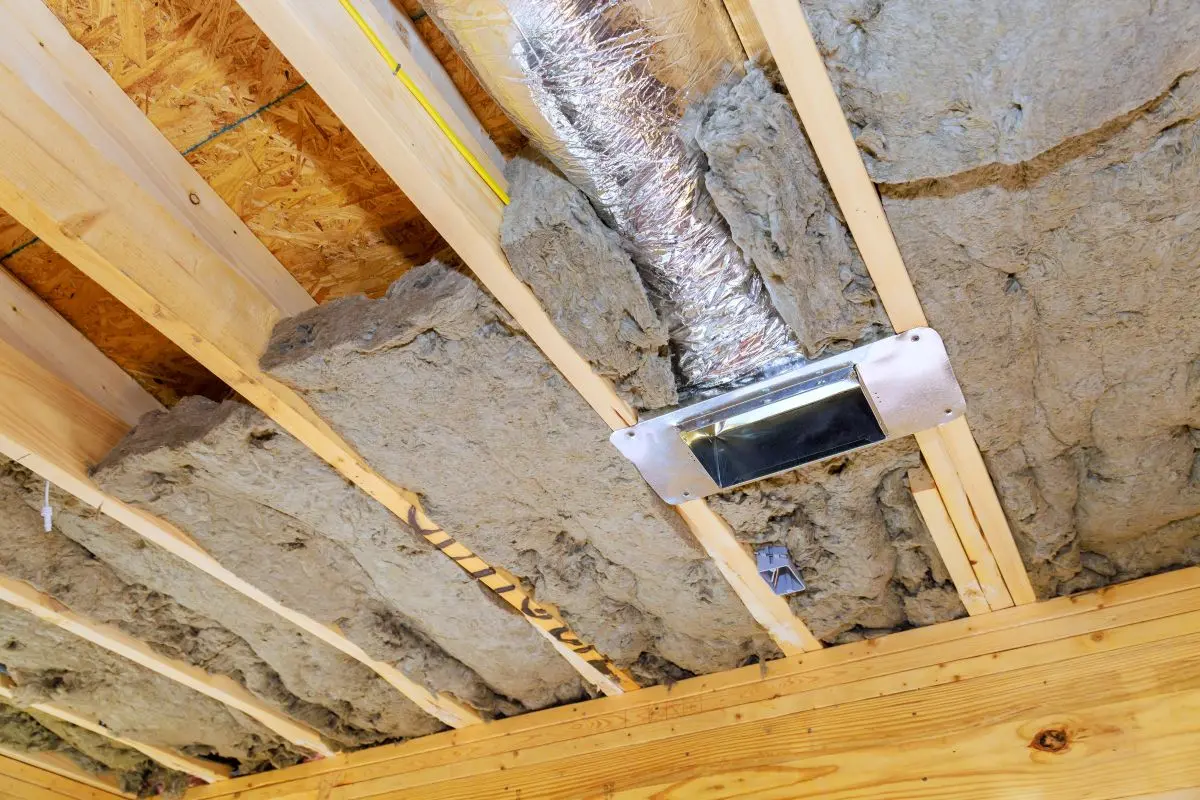
Attic insulation R-value for Wisconsin homes should reach at least R-49, with R-60 recommended for maximum performance in Climate Zone 6, which covers most of southern and central Wisconsin. If your attic is currently insulated to R-19 or R-30, which is common in homes built before 2000, you’re losing significantly more heat through your roof than you should be. That translates directly into higher heating bills, more ice dam formation, and a roof that ages faster from the inside out. Getting the R-value right is one of the highest-impact upgrades a Wisconsin homeowner can make. If your attic insulation is failing and taking your roof with it, roof replacement from a contractor who understands how attic performance and roofing systems work together is the right starting point.
Here is what this guide covers:
- What R-value actually means for Wisconsin attics
- The recommended R-value for Wisconsin’s climate zones
- The 5 signs your current attic insulation is inadequate
- How to check your existing insulation level
- What R-49 to R-60 looks like in actual inches of insulation
- Common questions Wisconsin homeowners ask about attic insulation
Why R-Value Matters More in Wisconsin Than Most States
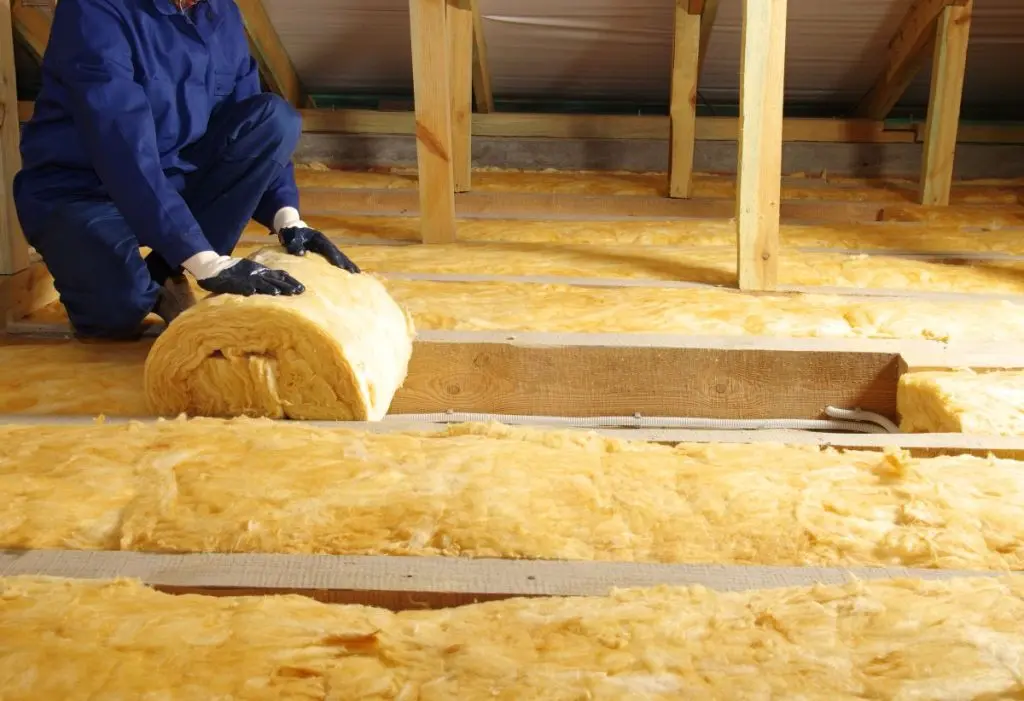
R-value measures how well insulation resists heat flow. Higher numbers mean better insulation performance. The reason Wisconsin homes need higher R-values than warmer states comes down to two variables: how cold it gets and how long it stays cold. Wisconsin winters routinely drop below zero for extended stretches, and heating costs dominate annual utility bills in a way they don’t in mild climates.
According to ENERGY STAR, most U.S. homes are under-insulated to some degree, and adding attic insulation is one of the most cost-effective energy efficiency improvements a homeowner can make. For Wisconsin specifically, an under-insulated attic is the primary driver of three related problems: high heating bills, ice dam formation, and premature shingle aging from heat trapped in the attic.
We’re proud to serve homeowners in Sun Prairie, WI, and nearby communities with roof replacement, attic ventilation assessments, and free on-site roof condition evaluations.
Wisconsin’s Climate Zones and Recommended R-Value
Wisconsin sits primarily in two of the DOE’s eight climate zones. Where your home falls determines the recommended R-value.
Climate Zone 6 (Most of Wisconsin)
Climate Zone 6 covers most of Wisconsin, including Sun Prairie, Madison, Milwaukee, Green Bay, Wausau, and the surrounding communities. Homes in this zone should target R-49 as a minimum, with R-60 recommended for maximum energy efficiency and ice dam prevention.
- Minimum recommended: R-49
- Best practice for cold climates: R-60
- Typical existing insulation: Older homes commonly have R-19 to R-30
Climate Zone 7 (Far Northern Wisconsin)
Climate Zone 7 covers the coldest parts of Wisconsin, including Minocqua, Merrill, and much of the Northwoods. Homes here face longer, colder winters and benefit from insulation at the upper end of the recommended range.
- Minimum recommended: R-49
- Best practice: R-60
- Consideration: The additional insulation cost pays back faster in Zone 7 due to longer heating seasons
How to Check Your Current Attic Insulation
Before you can decide whether you need more insulation, you need to know what you have. This is a check most homeowners can do themselves in about 15 minutes.
Enter the attic on a clear day when there’s no active moisture. Bring a tape measure and note the depth of insulation across several areas of the attic, not just one spot. Then match your measurement against the type of insulation you have:
- Fiberglass batts: R-3.2 to R-4.3 per inch
- Blown-in fiberglass: R-2.5 to R-3.7 per inch
- Blown-in cellulose: R-3.2 to R-3.8 per inch
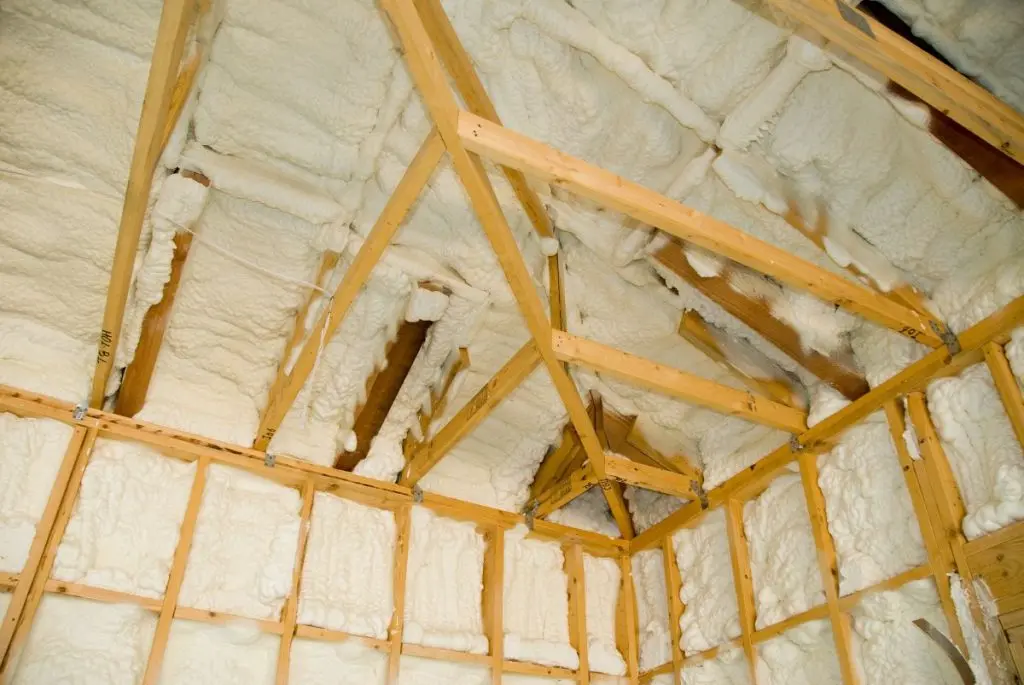
- Spray foam (closed cell): R-6.0 to R-7.0 per inch
- Spray foam (open cell): R-3.6 to R-3.9 per inch
For example, 8 inches of blown-in cellulose is roughly R-25 to R-30, which is well below the recommended R-49 minimum for Wisconsin. Reaching R-49 with blown-in fiberglass or cellulose typically requires 14 to 18 inches of insulation depth.
5 Signs Your Attic Insulation Is Inadequate
Even without measuring, several observable signs point to insulation problems that need addressing.
1. Ice Dams Form Every Winter
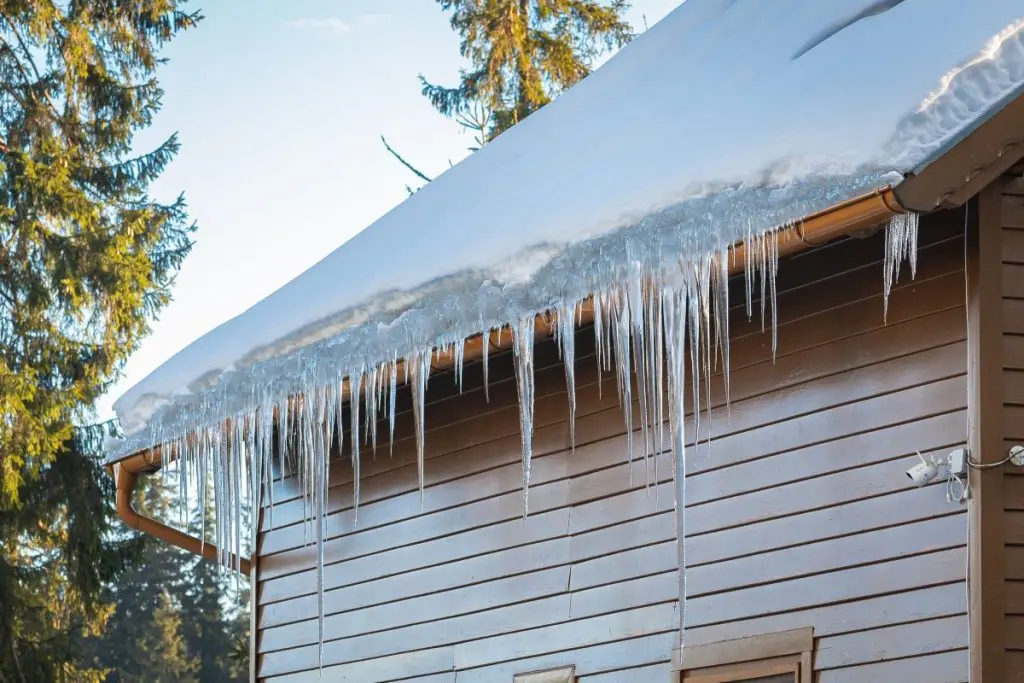
Ice dams are among the most reliable indicators of attic insulation and air sealing problems. When heat escapes through the ceiling and warms the roof deck, snow melts unevenly and refreezes at the colder eaves, creating ice dams. Homes with proper R-49 to R-60 insulation and adequate air sealing rarely form significant ice dams in the same conditions that cause them on neighboring homes.
- What it means: Heat is escaping through the attic and warming the roof
- What to check: Insulation depth and air sealing at attic floor penetrations
- What to do: Add insulation to reach R-49 minimum and seal air leaks before winter
2. High Heating Bills Compared to Neighbors
If your winter heating costs are significantly higher than comparable homes on your street, attic insulation is a likely culprit. Wisconsin homes with proper R-value can heat comfortably at 30 to 50 percent lower cost than under-insulated homes of similar size.
- What it means: Heat is leaving the home faster than it should
- What to check: Winter utility bills compared to similar homes
- What to do: A professional home energy audit identifies the specific improvements with the highest return
3. Uneven Temperatures Between Rooms
When some rooms feel noticeably colder than others in winter, insulation is often part of the reason. Rooms directly under the attic are especially sensitive to insulation quality above them.
- What it means: Heat loss is uneven across the ceiling plane
- What to check: Attic insulation depth above the cold rooms specifically
- What to do: Address gaps and thin spots before adding insulation across the whole attic
4. Cold Ceilings and Walls
If your ceilings and upper walls feel cold to the touch in winter, heat is escaping through them. Well-insulated ceilings maintain interior surface temperatures within a few degrees of room temperature even in extreme cold.
- What it means: Insulation is missing, thin, or compromised in that area
- What to check: Both insulation depth and any air leaks at that section of the attic
- What to do: Sealed and properly insulated ceilings feel neutral to the touch year-round
5. Attic Feels Warm in Winter
The attic should be close to outdoor temperature in winter. If your attic feels noticeably warmer than outside on a cold day, you’re heating the attic instead of the living space below.
- What it means: Heat is leaking from the living space into the attic
- What to check: Both insulation depth and air sealing at all ceiling penetrations
- What to do: Seal leaks first, then add insulation. Adding insulation without air sealing gives you a fraction of the potential benefit
What R-49 to R-60 Actually Looks Like in Your Attic
The R-value target translates to actual inches of material depending on the insulation type. Here’s what you need to reach recommended levels:
| Target R-Value | Blown-In Fiberglass | Blown-In Cellulose | Fiberglass Batts |
| R-49 | 14 to 18 inches | 13 to 15 inches | Multiple layers stacked |
| R-60 | 17 to 21 inches | 16 to 19 inches | Multiple layers stacked |
Most Wisconsin attic upgrades use blown-in cellulose or blown-in fiberglass because they fill gaps and irregularities better than batts and can be added on top of existing insulation without removal. The finished depth should be consistent across the entire attic floor with no thin spots at eaves, around ducts, or near penetrations.
Frequently Asked Questions About Attic Insulation R-Value in Wisconsin
Wisconsin homeowners planning attic improvements tend to ask the same questions. Here are direct answers.
Can I add insulation on top of existing insulation?
Yes, in most cases. Blown-in cellulose or blown-in fiberglass can be added directly on top of existing insulation as long as the existing insulation is dry, mold-free, and not compressed by prior weight. Removing old insulation is only necessary if it’s damaged, contaminated, or preventing proper installation of the new material.
How much does it cost to bring an attic to R-49 in Wisconsin?
For a typical Wisconsin home with existing R-19 to R-30 insulation, adding enough blown-in insulation to reach R-49 typically costs $1,500 to $3,500 depending on attic size and access. Going to R-60 adds another $500 to $1,000. Federal tax credits and utility rebates can offset a significant portion of the cost.
Does more insulation always mean better performance?
Not always. Beyond R-60, additional insulation provides diminishing returns in Wisconsin’s climate. Air sealing is often more impactful than adding insulation past R-60, because air leaks bypass insulation entirely no matter how thick it is. A good insulation strategy prioritizes air sealing first, then reaching R-49 to R-60, then addressing ventilation.
How does attic insulation affect my roof?
Significantly. Under-insulated attics allow heat to warm the roof deck, which melts snow and causes ice dams that damage shingles, gutters, and interior finishes. Proper R-49 to R-60 insulation combined with balanced attic ventilation keeps the roof deck cold, which is what a roof needs to perform correctly through Wisconsin winters.
Does Badgerland Exteriors assess attic insulation during a roof inspection?
Yes. Every Badgerland roof inspection includes an assessment of attic conditions, including insulation depth, ventilation performance, and any signs of past ice dam damage. Free estimates provide an honest picture of how your attic and roof are working together.
Get the Full Picture With Badgerland Exteriors
Attic insulation R-value is not just an energy efficiency issue; it directly affects how long your roof lasts and how hard your home works to stay comfortable in Wisconsin winters. Badgerland Exteriors has been helping Sun Prairie homeowners and their neighbors across central Wisconsin understand how their attic, insulation, and roofing systems work together since 2009, with free assessments, honest walkthroughs, and no-pressure recommendations.
Request your free roof and attic assessment from Badgerland Exteriors today.

Let’s Get Started
Fix Your Roof the Badger Way
Got a question? Want to learn more about your options when it comes to caring for your home exterior? Our team is standing by with the information you need to start you roof replacement project today!